Find a GI dietitian

Help with IBS, Crohn's disease, ulcerative colitis, celiac disease, reflux, bloating and food triggers.

1 professional listed

Filter these results
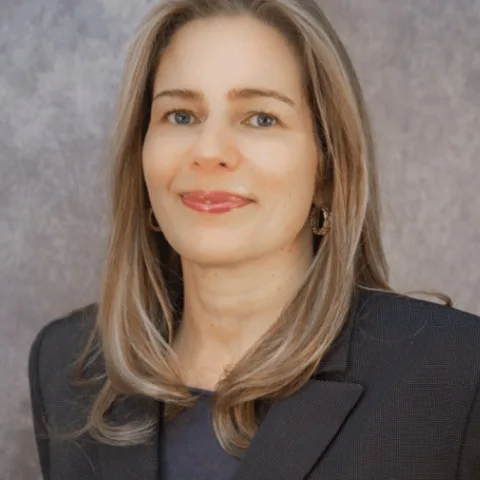
Photo of Nancy Isa

Nancy Isa, RDN, LDN, CCN, MS

Registered Dietitian ยท Incidental Wellness

Westbrook, Connecticut

Helping women who travel for work keep their sleep, workouts & eating on track | RD + 25 years in hospitality | Founder, Incidental Wellness

  • Culturally responsive nutrition
  • Digestive and GI health
  • Food allergies and intolerances
  • General women's health nutrition

Telehealth In person

By state

What this kind of professional does

A GI dietitian works with people whose digestive symptoms affect what and how they eat. They can help you find patterns, try structured approaches safely and avoid cutting out more food than you need to.

It is wise to see a doctor about new or severe symptoms first, so that conditions like celiac disease or inflammatory bowel disease can be checked. Some tests work best before you change your diet, so ask before you remove gluten or other foods.

Who it can help

  • People with irritable bowel syndrome
  • People with Crohn's disease or ulcerative colitis
  • People with celiac disease or suspected food triggers
  • People with reflux, bloating or constipation

Credentials to look for

Look for RD or RDN with focused digestive health experience. Ask about their training in the approach they suggest, such as a low-FODMAP diet.

Questions to ask before you book

  • How much of your practice is digestive health?
  • Have you guided people through a low-FODMAP diet from start to finish?
  • How do you avoid over-restricting food?
  • Do you work with my gastroenterologist?

This page is general information, not medical advice. Your own care team knows your situation best.

GI and digestive health: common questions

What does a GI dietitian do?

They help people with digestive conditions and symptoms work out which eating patterns help, while keeping their diet as varied and nourishing as possible.

Should I stop eating gluten before I am tested for celiac disease?

Talk to your doctor first. Celiac tests can be less accurate if you have already stopped eating gluten, so most people are advised to keep eating it until testing is done.

What is the low-FODMAP diet?

It is a short-term, step-by-step approach used for some people with IBS. Certain fermentable carbohydrates are reduced and then brought back to learn which ones cause symptoms. It works best with professional guidance.

Can a dietitian diagnose IBS?

No. Diagnosis comes from a doctor. A dietitian helps you manage your eating once you know what you are dealing with.

When should I see a doctor instead of a dietitian?

See a doctor for new or severe pain, blood in your stool, unplanned weight loss, a fever, or trouble swallowing. Those symptoms need medical attention before nutrition work.